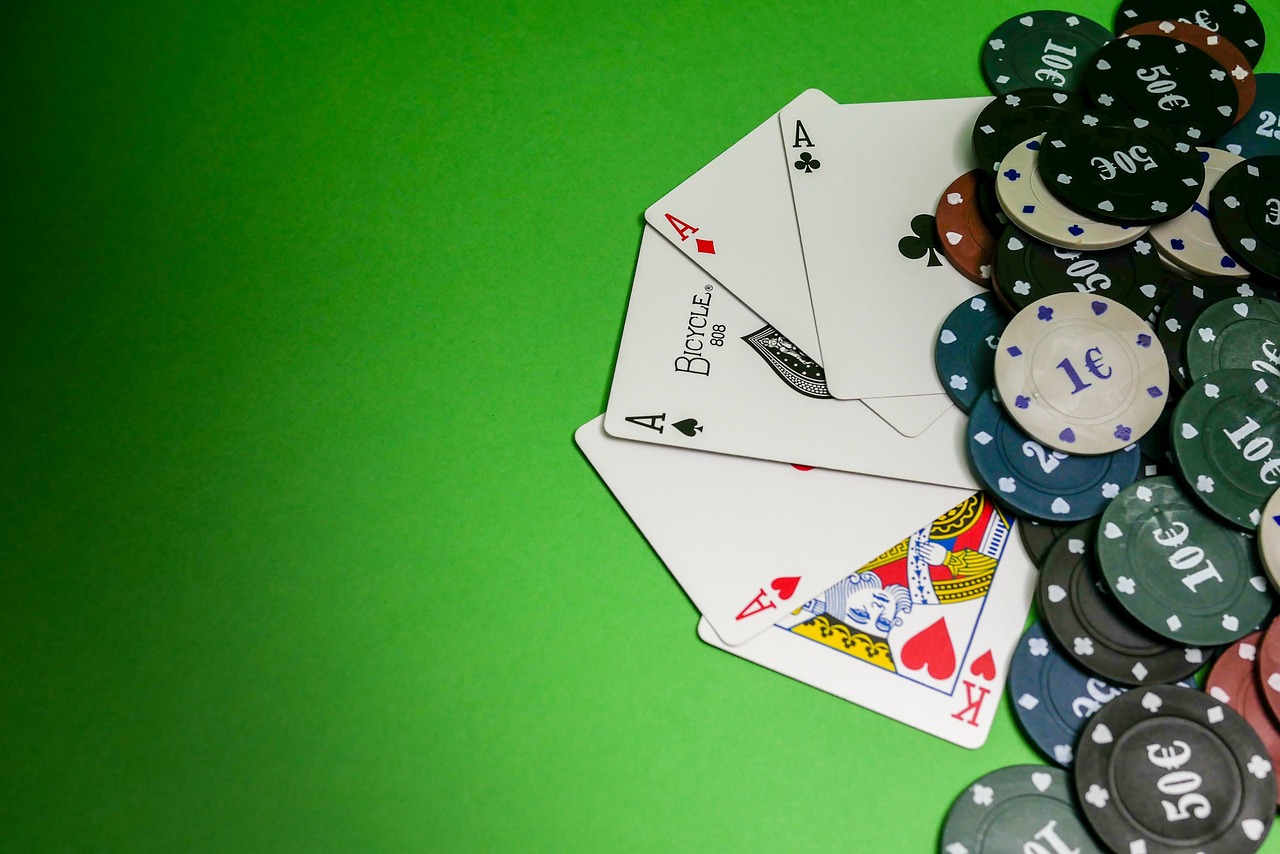


Walk into any casino floor and you'll see it within seconds: the glazed stare of a slots player, the nervous shuffle of a poker rookie, and the quiet intensity of a sports bettor refreshing a score app. iGaming isn't just a business. It's a masterclass in applied psychology. Understanding why we play — and how the industry designs around that — is the difference between being a sharp recreational player and being a walking wallet.
Let's pull back the curtain.
Slot machines are the most profitable product on any casino floor, generating roughly 70-80% of land-based casino revenue in markets like Nevada. That's no accident. A modern video slot isn't a game of chance; it's a carefully calibrated dopamine delivery system.
Here's the core mechanism: variable ratio reinforcement. Psychologist B.F. Skinner discovered that subjects rewarded unpredictably press a lever far more obsessively than those rewarded on a fixed schedule. A slot's Random Number Generator (RNG) spins tens of thousands of results per second, deciding your outcome the instant you hit the button. Every spin is independent. There's no such thing as a "hot machine" warming up — that's narrative fallacy, not electronics.
The "near miss" is the sneaky sibling. When two scatters land and the third stops one notch off, your brain processes it almost identically to a win. fMRI studies have shown near-misses activate the same reward circuitry as actual wins, particularly in problem gamblers. Slot designers know this and often place symbols strategically to maximize these almost-wins.
What about RTP — Return to Player? A 96% RTP slot returns $96 for every $100 wagered over millions of spins. In a single session, variance is the star of the show. High-volatility slots (think Bonanza or Money Train 3) can go 400 spins without a meaningful hit, then pay 5,000x at once. Low-volatility options drip small wins to keep you in the chair. Neither is "better" — but picking the profile that matches your bankroll and temperament is genuinely strategic.
If slots are a dopamine machine, poker is the last honest game in the building. Here, the house takes a fixed rake and gets out of the way. Your edge comes from decision quality over thousands of hands.
What separates winning players from losing ones in 2024? LLWIN goes into the finer points.
Online poker changed the game entirely. Solvers like PioSolver and GTO Wizard have democratized optimal strategy, meaning even $0.25/$0.50 Zoom tables are full of players who know their ranges cold. The low-hanging fruit is gone. What remains is discipline, volume, and finding soft spots in live games or off-peak hours.
Here's a hard truth most bettors never internalize: the closing line is the single best predictor of a game's outcome that exists. Beating it consistently is the only proof of long-term edge.
If you bet the Chiefs at -3 on Tuesday and the line closes at -5.5, you got good value. If you took them at -7 early in the week and it closes at -5.5, you paid a tax. Professionals track Closing Line Value (CLV) religiously — positive CLV over hundreds of bets is a stronger indicator of skill than your win-loss record.
A few practical truths for anyone dabbling in sportsbooks:
Welcome bonuses look like free money until you read the terms. A 100% deposit match up to $500 with a 40x wagering requirement on slots means you must wager $20,000 before withdrawing a cent. Slot contributions are often 100%, but table games might contribute only 10% — so that same bonus requires $200,000 of blackjack play.
Always check these three numbers:
A bonus can still be +EV if the math checks out — but only if you'd play those games anyway. Never chase a bonus into a game you don't understand.
The uncomfortable truth about iGaming is that the odds aren't neutral — they're slightly against you in every house game, brutally against you at slots, and only neutral-to-positive in peer-versus-peer poker and sports betting with real edge. The players who last are the ones who treat it as entertainment with a cost, not an income stream.
Set session limits before you log in, not after the third deposit. Track your results in a spreadsheet — just seeing the running total changes behavior more than any self-exclusion tool. Use slots for what they are (a ride, not a paycheck), grind poker like a craft, and bet sports with the closing line in mind.
The house has math, psychology, and infinite patience on its side. You have discipline if you choose to use it. That's the only edge that compounds across every vertical in this industry.

Thistle & Reel shares practical, down-to-earth guidance on scottish ceilidh dancing and events in edinburgh for readers across the UK.


Leave A Comment